

HOA Information for The Reserves at Canterbury Fields
Welcome to The Reserve at Canterbury Fields Community website — we’re glad you’re here!
This page is designed to keep residents informed and connected with important news, updates, and general information about our neighborhood.
The Reserve at Canterbury Fields is an upscale community located in Ooltewah, Tennessee, inspired by the timeless storytelling of Chaucer’s Canterbury Tales. Our neighborhood features thoughtfully designed homes with transitional European architecture, refined craftsmanship, and luxury finishes that define the Canterbury Fields lifestyle.
Please feel free to check back often as this page will continue to grow with community news, announcements, and resources.
Community News & Updates
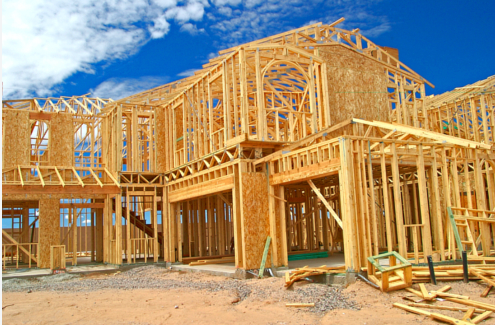
New Opportunities for Luxury Living in the Greater Chattanooga Area K&M Homes is excited to continue growing throughout the Chattanooga area with two new developments: Serenity and McDaniel . For more than 20 years, K&M Homes has helped families bring their dream homes to life through thoughtful design, quality craftsmanship, and a personalized approach to home building. Now, Serenity and McDaniel will offer even more opportunities for homeowners looking to build a beautiful new home in the Chattanooga area. Introducing Serenity There is something special about building a home in a community designed with the future in mind. Serenity is one of the newest developments coming from K&M Homes, offering homebuyers another opportunity to enjoy the quality, comfort, and attention to detail that define a K&M home. Whether your vision includes timeless architecture, modern finishes, open living spaces, or a home designed specifically around the way your family lives, K&M Homes believes your home should be a reflection of you. More information about available homesites, floor plans, and opportunities within Serenity will be announced soon. Introducing McDaniel K&M Homes is also excited to introduce McDaniel , another new development joining our growing collection of communities throughout the greater Chattanooga area. Every K&M Homes community is approached with the same commitment to creating beautiful homes and neighborhoods where homeowners can put down roots. McDaniel will continue that tradition while giving future homeowners the opportunity to create a home that combines luxury, functionality, and lasting quality. Additional details about McDaniel, including available homesites and building opportunities, are coming soon. A Home Designed Around You At K&M Homes, we understand that no two families—and no two dream homes—are exactly alike. That's why our custom home-building process is centered around creating a home that fits your individual style, needs, and lifestyle. From the initial vision and architectural design to interior selections and finishing touches, our team works closely with each homeowner throughout the building process. K&M Homes also incorporates energy-efficient materials, sustainable building practices, and thoughtful design choices to create homes designed for both today and the future. Explore K&M Homes' Chattanooga-Area Communities Serenity and McDaniel are the latest additions to K&M Homes' growing presence throughout the Chattanooga region. K&M Homes currently builds within communities including The Reserves at Canterbury Fields, Grasshopper Estates, Apison, and River Gorge Ranch , each offering its own distinctive setting and lifestyle. With Serenity and McDaniel on the horizon, there are even more opportunities to find the right location and begin creating a home that feels uniquely yours. Learn More About Serenity and McDaniel Interested in being among the first to learn more about Serenity or McDaniel ? Contact K&M Homes to learn about upcoming availability, homesites, floor plans, and custom home-building opportunities. Our team would love to help you take the next step toward creating a home designed around your lifestyle. Ready to get started? Contact K&M Homes today to learn more about our newest developments in the Chattanooga area.
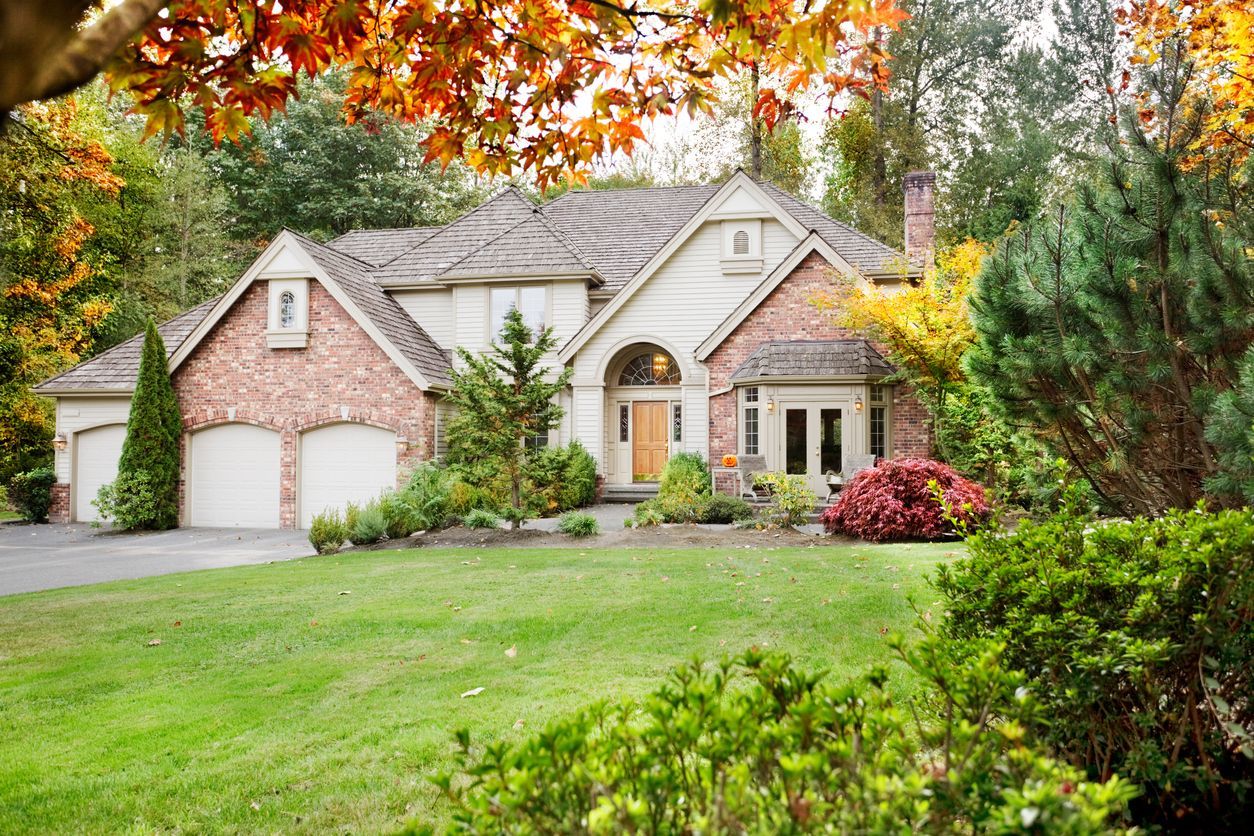
When most people think about building a custom home, they picture breaking ground in the spring. But what many homeowners don't realize is that fall is actually one of the best times to begin the home-building process . From choosing the perfect floor plan to securing permits and preparing your homesite, getting started in the fall can position you for a smoother building experience and bring you one step closer to moving into the home you've always imagined. Here's why. More Time for Thoughtful Planning Building a custom home is one of the biggest investments you'll ever make. It deserves careful planning—not rushed decisions. Starting the process in the fall gives you time to: Meet with your builder and design team Finalize your floor plan Select finishes and materials Review your budget Prepare your homesite Complete financing and permitting Instead of trying to make dozens of decisions during the busy spring building season, you'll have the opportunity to move through each step with confidence. Beat the Spring Rush Spring is traditionally one of the busiest times for home builders. As demand increases, schedules often fill quickly. By beginning your planning process in the fall, you may have greater flexibility when it comes to scheduling design meetings, ordering materials, and securing your place on your builder's construction calendar. Cooler Weather Can Benefit Construction While every project and location is different, fall often brings milder temperatures and more comfortable working conditions for construction crews. Cooler weather can help crews work more efficiently while avoiding the extreme heat that can slow outdoor construction during the summer months. More Time to Personalize Every Detail One of the greatest advantages of building a custom home is making it truly yours. Starting in the fall allows you to thoughtfully consider every design decision, including: Kitchen layouts Cabinet styles Flooring selections Countertops Lighting Bathroom finishes Paint colors Outdoor living spaces Rather than making last-minute choices, you'll have time to compare options and create a home that reflects your family's lifestyle. Prepare for Future Seasons When designing a custom home, it's helpful to think beyond today. Fall is the perfect time to discuss features that will improve comfort and efficiency throughout the year, such as: Energy-efficient windows High-performance insulation Smart home technology Outdoor entertaining areas Covered patios Mudrooms with custom storage Spacious walk-in pantries Planning ahead ensures your new home works beautifully in every season. Build Around Your Timeline Every family's schedule is different. Maybe you'd like to be settled before the next school year. Perhaps you're relocating for work or planning to retire. Starting the building process in the fall helps create a realistic timeline for design, permitting, construction, and move-in, reducing unnecessary stress and helping everyone stay aligned from the beginning. Build with Confidence At Your KM Home , we know that building a custom home is about much more than walls and windows—it's about creating the place where your family's memories will be made for years to come. From your first consultation to the final walkthrough, our team is committed to making the experience as enjoyable and rewarding as the finished home itself. We believe every detail matters, and we work closely with you to ensure your vision becomes reality. Let's Start Planning Your Dream Home This Fall The best time to begin building your dream home isn't when everyone else starts—it's when you have the time to plan it well. If you've been thinking about building, fall is the perfect season to take the first step . Contact Your KM Home today to schedule a consultation and discover how we can help you design and build a home that's crafted for the way you live today—and for years to come.

Summer has long been one of the busiest seasons for homebuyers, and for good reason. Longer days, school breaks, and a larger inventory of available homes make this an ideal time to find the perfect place to call home. If you've been thinking about buying a home in East Tennessee, this summer may offer more opportunities than you realize. More Homes Mean More Choices One of the biggest advantages of shopping for a home during the summer months is increased inventory. Many homeowners choose to list their properties when the weather is favorable and families have more flexibility to move before the next school year begins. More listings mean buyers have a wider selection of homes, neighborhoods, and price points to consider. Instead of feeling pressured to settle, you may have a better chance of finding a property that truly fits your needs and lifestyle. Get Pre-Approved Before You Start Shopping Summer is also a competitive season in the housing market. That's why getting pre-approved for a mortgage before you begin your search is one of the smartest steps you can take. A mortgage pre-approval helps you: Understand your budget Strengthen your offer when you find the right home Move quickly in competitive situations Avoid surprises during the financing process Having financing lined up gives you confidence and helps sellers take your offer seriously. Take Advantage of Longer Days Summer's extended daylight hours make it easier to schedule home tours, attend open houses, and explore neighborhoods after work. Buyers can get a better feel for a community, evaluate outdoor spaces, and see how a property looks throughout the day. This extra flexibility can make the home-buying process less stressful and more enjoyable. Today's Buyers Have More Loan Options Than Ever Many buyers are surprised to learn that there are mortgage programs available for a variety of financial situations. Depending on your qualifications, you may be eligible for: Conventional loans FHA loans VA loans USDA loans First-time homebuyer programs Refinancing opportunities Working with an experienced mortgage professional can help you identify the loan program that best aligns with your goals and budget. Don't Wait for the "Perfect" Market Many buyers spend months trying to predict where mortgage rates or home prices will go next. The truth is that no one can perfectly time the market. The best time to buy a home is often when you're financially ready and have found a property that meets your needs. Waiting for ideal conditions can sometimes mean missing out on opportunities that are available today. Ready to Start Your Homeownership Journey? Whether you're purchasing your first home, moving into a larger space, or refinancing your current mortgage, having the right lending partner can make all the difference. At K&M Home, we're committed to helping East Tennessee families navigate the mortgage process with confidence. Our team works closely with buyers to find financing solutions that fit their unique needs and goals. This summer could be the season that brings you one step closer to home. Contact our team today to get started with a mortgage pre-approval and discover your options.
HOA Meetings & Notices
New Opportunities for Luxury Living in the Greater Chattanooga Area K&M Homes is excited to continue growing throughout the Chattanooga area with two new developments: Serenity and McDaniel . For more than 20 years, K&M Homes has helped families bring their dream homes to life through thoughtful design, quality craftsmanship, and a personalized approach to home building. Now, Serenity and McDaniel will offer even more opportunities for homeowners looking to build a beautiful new home in the Chattanooga area. Introducing Serenity There is something special about building a home in a community designed with the future in mind. Serenity is one of the newest developments coming from K&M Homes, offering homebuyers another opportunity to enjoy the quality, comfort, and attention to detail that define a K&M home. Whether your vision includes timeless architecture, modern finishes, open living spaces, or a home designed specifically around the way your family lives, K&M Homes believes your home should be a reflection of you. More information about available homesites, floor plans, and opportunities within Serenity will be announced soon. Introducing McDaniel K&M Homes is also excited to introduce McDaniel , another new development joining our growing collection of communities throughout the greater Chattanooga area. Every K&M Homes community is approached with the same commitment to creating beautiful homes and neighborhoods where homeowners can put down roots. McDaniel will continue that tradition while giving future homeowners the opportunity to create a home that combines luxury, functionality, and lasting quality. Additional details about McDaniel, including available homesites and building opportunities, are coming soon. A Home Designed Around You At K&M Homes, we understand that no two families—and no two dream homes—are exactly alike. That's why our custom home-building process is centered around creating a home that fits your individual style, needs, and lifestyle. From the initial vision and architectural design to interior selections and finishing touches, our team works closely with each homeowner throughout the building process. K&M Homes also incorporates energy-efficient materials, sustainable building practices, and thoughtful design choices to create homes designed for both today and the future. Explore K&M Homes' Chattanooga-Area Communities Serenity and McDaniel are the latest additions to K&M Homes' growing presence throughout the Chattanooga region. K&M Homes currently builds within communities including The Reserves at Canterbury Fields, Grasshopper Estates, Apison, and River Gorge Ranch , each offering its own distinctive setting and lifestyle. With Serenity and McDaniel on the horizon, there are even more opportunities to find the right location and begin creating a home that feels uniquely yours. Learn More About Serenity and McDaniel Interested in being among the first to learn more about Serenity or McDaniel ? Contact K&M Homes to learn about upcoming availability, homesites, floor plans, and custom home-building opportunities. Our team would love to help you take the next step toward creating a home designed around your lifestyle. Ready to get started? Contact K&M Homes today to learn more about our newest developments in the Chattanooga area.
When most people think about building a custom home, they picture breaking ground in the spring. But what many homeowners don't realize is that fall is actually one of the best times to begin the home-building process . From choosing the perfect floor plan to securing permits and preparing your homesite, getting started in the fall can position you for a smoother building experience and bring you one step closer to moving into the home you've always imagined. Here's why. More Time for Thoughtful Planning Building a custom home is one of the biggest investments you'll ever make. It deserves careful planning—not rushed decisions. Starting the process in the fall gives you time to: Meet with your builder and design team Finalize your floor plan Select finishes and materials Review your budget Prepare your homesite Complete financing and permitting Instead of trying to make dozens of decisions during the busy spring building season, you'll have the opportunity to move through each step with confidence. Beat the Spring Rush Spring is traditionally one of the busiest times for home builders. As demand increases, schedules often fill quickly. By beginning your planning process in the fall, you may have greater flexibility when it comes to scheduling design meetings, ordering materials, and securing your place on your builder's construction calendar. Cooler Weather Can Benefit Construction While every project and location is different, fall often brings milder temperatures and more comfortable working conditions for construction crews. Cooler weather can help crews work more efficiently while avoiding the extreme heat that can slow outdoor construction during the summer months. More Time to Personalize Every Detail One of the greatest advantages of building a custom home is making it truly yours. Starting in the fall allows you to thoughtfully consider every design decision, including: Kitchen layouts Cabinet styles Flooring selections Countertops Lighting Bathroom finishes Paint colors Outdoor living spaces Rather than making last-minute choices, you'll have time to compare options and create a home that reflects your family's lifestyle. Prepare for Future Seasons When designing a custom home, it's helpful to think beyond today. Fall is the perfect time to discuss features that will improve comfort and efficiency throughout the year, such as: Energy-efficient windows High-performance insulation Smart home technology Outdoor entertaining areas Covered patios Mudrooms with custom storage Spacious walk-in pantries Planning ahead ensures your new home works beautifully in every season. Build Around Your Timeline Every family's schedule is different. Maybe you'd like to be settled before the next school year. Perhaps you're relocating for work or planning to retire. Starting the building process in the fall helps create a realistic timeline for design, permitting, construction, and move-in, reducing unnecessary stress and helping everyone stay aligned from the beginning. Build with Confidence At Your KM Home , we know that building a custom home is about much more than walls and windows—it's about creating the place where your family's memories will be made for years to come. From your first consultation to the final walkthrough, our team is committed to making the experience as enjoyable and rewarding as the finished home itself. We believe every detail matters, and we work closely with you to ensure your vision becomes reality. Let's Start Planning Your Dream Home This Fall The best time to begin building your dream home isn't when everyone else starts—it's when you have the time to plan it well. If you've been thinking about building, fall is the perfect season to take the first step . Contact Your KM Home today to schedule a consultation and discover how we can help you design and build a home that's crafted for the way you live today—and for years to come.
Summer has long been one of the busiest seasons for homebuyers, and for good reason. Longer days, school breaks, and a larger inventory of available homes make this an ideal time to find the perfect place to call home. If you've been thinking about buying a home in East Tennessee, this summer may offer more opportunities than you realize. More Homes Mean More Choices One of the biggest advantages of shopping for a home during the summer months is increased inventory. Many homeowners choose to list their properties when the weather is favorable and families have more flexibility to move before the next school year begins. More listings mean buyers have a wider selection of homes, neighborhoods, and price points to consider. Instead of feeling pressured to settle, you may have a better chance of finding a property that truly fits your needs and lifestyle. Get Pre-Approved Before You Start Shopping Summer is also a competitive season in the housing market. That's why getting pre-approved for a mortgage before you begin your search is one of the smartest steps you can take. A mortgage pre-approval helps you: Understand your budget Strengthen your offer when you find the right home Move quickly in competitive situations Avoid surprises during the financing process Having financing lined up gives you confidence and helps sellers take your offer seriously. Take Advantage of Longer Days Summer's extended daylight hours make it easier to schedule home tours, attend open houses, and explore neighborhoods after work. Buyers can get a better feel for a community, evaluate outdoor spaces, and see how a property looks throughout the day. This extra flexibility can make the home-buying process less stressful and more enjoyable. Today's Buyers Have More Loan Options Than Ever Many buyers are surprised to learn that there are mortgage programs available for a variety of financial situations. Depending on your qualifications, you may be eligible for: Conventional loans FHA loans VA loans USDA loans First-time homebuyer programs Refinancing opportunities Working with an experienced mortgage professional can help you identify the loan program that best aligns with your goals and budget. Don't Wait for the "Perfect" Market Many buyers spend months trying to predict where mortgage rates or home prices will go next. The truth is that no one can perfectly time the market. The best time to buy a home is often when you're financially ready and have found a property that meets your needs. Waiting for ideal conditions can sometimes mean missing out on opportunities that are available today. Ready to Start Your Homeownership Journey? Whether you're purchasing your first home, moving into a larger space, or refinancing your current mortgage, having the right lending partner can make all the difference. At K&M Home, we're committed to helping East Tennessee families navigate the mortgage process with confidence. Our team works closely with buyers to find financing solutions that fit their unique needs and goals. This summer could be the season that brings you one step closer to home. Contact our team today to get started with a mortgage pre-approval and discover your options.
Covenants, Conditions & Restrictions (CC&Rs)
New Opportunities for Luxury Living in the Greater Chattanooga Area K&M Homes is excited to continue growing throughout the Chattanooga area with two new developments: Serenity and McDaniel . For more than 20 years, K&M Homes has helped families bring their dream homes to life through thoughtful design, quality craftsmanship, and a personalized approach to home building. Now, Serenity and McDaniel will offer even more opportunities for homeowners looking to build a beautiful new home in the Chattanooga area. Introducing Serenity There is something special about building a home in a community designed with the future in mind. Serenity is one of the newest developments coming from K&M Homes, offering homebuyers another opportunity to enjoy the quality, comfort, and attention to detail that define a K&M home. Whether your vision includes timeless architecture, modern finishes, open living spaces, or a home designed specifically around the way your family lives, K&M Homes believes your home should be a reflection of you. More information about available homesites, floor plans, and opportunities within Serenity will be announced soon. Introducing McDaniel K&M Homes is also excited to introduce McDaniel , another new development joining our growing collection of communities throughout the greater Chattanooga area. Every K&M Homes community is approached with the same commitment to creating beautiful homes and neighborhoods where homeowners can put down roots. McDaniel will continue that tradition while giving future homeowners the opportunity to create a home that combines luxury, functionality, and lasting quality. Additional details about McDaniel, including available homesites and building opportunities, are coming soon. A Home Designed Around You At K&M Homes, we understand that no two families—and no two dream homes—are exactly alike. That's why our custom home-building process is centered around creating a home that fits your individual style, needs, and lifestyle. From the initial vision and architectural design to interior selections and finishing touches, our team works closely with each homeowner throughout the building process. K&M Homes also incorporates energy-efficient materials, sustainable building practices, and thoughtful design choices to create homes designed for both today and the future. Explore K&M Homes' Chattanooga-Area Communities Serenity and McDaniel are the latest additions to K&M Homes' growing presence throughout the Chattanooga region. K&M Homes currently builds within communities including The Reserves at Canterbury Fields, Grasshopper Estates, Apison, and River Gorge Ranch , each offering its own distinctive setting and lifestyle. With Serenity and McDaniel on the horizon, there are even more opportunities to find the right location and begin creating a home that feels uniquely yours. Learn More About Serenity and McDaniel Interested in being among the first to learn more about Serenity or McDaniel ? Contact K&M Homes to learn about upcoming availability, homesites, floor plans, and custom home-building opportunities. Our team would love to help you take the next step toward creating a home designed around your lifestyle. Ready to get started? Contact K&M Homes today to learn more about our newest developments in the Chattanooga area.
When most people think about building a custom home, they picture breaking ground in the spring. But what many homeowners don't realize is that fall is actually one of the best times to begin the home-building process . From choosing the perfect floor plan to securing permits and preparing your homesite, getting started in the fall can position you for a smoother building experience and bring you one step closer to moving into the home you've always imagined. Here's why. More Time for Thoughtful Planning Building a custom home is one of the biggest investments you'll ever make. It deserves careful planning—not rushed decisions. Starting the process in the fall gives you time to: Meet with your builder and design team Finalize your floor plan Select finishes and materials Review your budget Prepare your homesite Complete financing and permitting Instead of trying to make dozens of decisions during the busy spring building season, you'll have the opportunity to move through each step with confidence. Beat the Spring Rush Spring is traditionally one of the busiest times for home builders. As demand increases, schedules often fill quickly. By beginning your planning process in the fall, you may have greater flexibility when it comes to scheduling design meetings, ordering materials, and securing your place on your builder's construction calendar. Cooler Weather Can Benefit Construction While every project and location is different, fall often brings milder temperatures and more comfortable working conditions for construction crews. Cooler weather can help crews work more efficiently while avoiding the extreme heat that can slow outdoor construction during the summer months. More Time to Personalize Every Detail One of the greatest advantages of building a custom home is making it truly yours. Starting in the fall allows you to thoughtfully consider every design decision, including: Kitchen layouts Cabinet styles Flooring selections Countertops Lighting Bathroom finishes Paint colors Outdoor living spaces Rather than making last-minute choices, you'll have time to compare options and create a home that reflects your family's lifestyle. Prepare for Future Seasons When designing a custom home, it's helpful to think beyond today. Fall is the perfect time to discuss features that will improve comfort and efficiency throughout the year, such as: Energy-efficient windows High-performance insulation Smart home technology Outdoor entertaining areas Covered patios Mudrooms with custom storage Spacious walk-in pantries Planning ahead ensures your new home works beautifully in every season. Build Around Your Timeline Every family's schedule is different. Maybe you'd like to be settled before the next school year. Perhaps you're relocating for work or planning to retire. Starting the building process in the fall helps create a realistic timeline for design, permitting, construction, and move-in, reducing unnecessary stress and helping everyone stay aligned from the beginning. Build with Confidence At Your KM Home , we know that building a custom home is about much more than walls and windows—it's about creating the place where your family's memories will be made for years to come. From your first consultation to the final walkthrough, our team is committed to making the experience as enjoyable and rewarding as the finished home itself. We believe every detail matters, and we work closely with you to ensure your vision becomes reality. Let's Start Planning Your Dream Home This Fall The best time to begin building your dream home isn't when everyone else starts—it's when you have the time to plan it well. If you've been thinking about building, fall is the perfect season to take the first step . Contact Your KM Home today to schedule a consultation and discover how we can help you design and build a home that's crafted for the way you live today—and for years to come.
Summer has long been one of the busiest seasons for homebuyers, and for good reason. Longer days, school breaks, and a larger inventory of available homes make this an ideal time to find the perfect place to call home. If you've been thinking about buying a home in East Tennessee, this summer may offer more opportunities than you realize. More Homes Mean More Choices One of the biggest advantages of shopping for a home during the summer months is increased inventory. Many homeowners choose to list their properties when the weather is favorable and families have more flexibility to move before the next school year begins. More listings mean buyers have a wider selection of homes, neighborhoods, and price points to consider. Instead of feeling pressured to settle, you may have a better chance of finding a property that truly fits your needs and lifestyle. Get Pre-Approved Before You Start Shopping Summer is also a competitive season in the housing market. That's why getting pre-approved for a mortgage before you begin your search is one of the smartest steps you can take. A mortgage pre-approval helps you: Understand your budget Strengthen your offer when you find the right home Move quickly in competitive situations Avoid surprises during the financing process Having financing lined up gives you confidence and helps sellers take your offer seriously. Take Advantage of Longer Days Summer's extended daylight hours make it easier to schedule home tours, attend open houses, and explore neighborhoods after work. Buyers can get a better feel for a community, evaluate outdoor spaces, and see how a property looks throughout the day. This extra flexibility can make the home-buying process less stressful and more enjoyable. Today's Buyers Have More Loan Options Than Ever Many buyers are surprised to learn that there are mortgage programs available for a variety of financial situations. Depending on your qualifications, you may be eligible for: Conventional loans FHA loans VA loans USDA loans First-time homebuyer programs Refinancing opportunities Working with an experienced mortgage professional can help you identify the loan program that best aligns with your goals and budget. Don't Wait for the "Perfect" Market Many buyers spend months trying to predict where mortgage rates or home prices will go next. The truth is that no one can perfectly time the market. The best time to buy a home is often when you're financially ready and have found a property that meets your needs. Waiting for ideal conditions can sometimes mean missing out on opportunities that are available today. Ready to Start Your Homeownership Journey? Whether you're purchasing your first home, moving into a larger space, or refinancing your current mortgage, having the right lending partner can make all the difference. At K&M Home, we're committed to helping East Tennessee families navigate the mortgage process with confidence. Our team works closely with buyers to find financing solutions that fit their unique needs and goals. This summer could be the season that brings you one step closer to home. Contact our team today to get started with a mortgage pre-approval and discover your options.
Contact Us
If you have questions or need additional information about The Reserve at Canterbury Fields, please feel free to reach out.
Contact Information: